

-
Welcome !
WoodBusinessPortal.com is one of the largest business to business portal for the wood industry. Whether you are a producer, supplier, distributor, importer or exporter, only here you will find the information you need.
-
 Demands-Offers
Check out the posts from our worldwide partners, which are looking to buy timber, processed wood or other wood products.
Check out the offers list from our members. With just two clicks you can find a supplier for a product you want.
Only here you can find the largest database of demands and offers for the wood industry!
Quickly browse through the newest posts
You can publish an unlimited amount of demands and offers. No subscription is required!
-
Companies
Here you can find your new suppliers !
You want to quickly find a supplier, distributor or an importer close to you, or you have a special request ? Browse the wood industry company catalog !
You can filter after the product you want (timber, firewood, wood houses and so on), after the country, area (county) where the product is located.
Also you can find suppliers from your market of interest (Eastern Europe, Western Europe, and so on)To quickly find what you're looking for we can offer you :
Wood companies from East & Central Europe
Quickly find a supplier from East & Central Europe
Wood companies from all Europe
Suppliers from the european market
All wood companies
Browse through wood companies from Europe, Asia, and so on. -
Products
Choose the products that you want - from raw material to finished products.
The best products and offers from our members for companies and individuals.
If you wand to quickly buy a product or take advantage of the promotional offers from the Woodbusinessportal.com members, we have over 500 offers for timber, woodworking equipment, firewood, parquet and so on.To quickly find what you're looking for we can offer you :
Wood products from East & Central Europe
Quickly find a wood product from East & Central Europe
Wood products from all Europe
Wood products from the european market
All wood products
Browse through wood products from Europe, Asia, and so on. -
Join us
To access our entire database you need to become a member of our portal. Fill in the subscription form and our operators will contact you as soon as possible !
We offer you a FREE website to give your products the best promotion possible.
Click here if you want to receive the information on email.
-
Tools
Everything you need to know about international commerce and specific terms associated with it : EXW, CIF, DDU and so on
Market research. Articles, news and press releases.
Keep up to date with the latest news from the wood industry all over the world !Compare offers in your own currency.
The optimal routes of transport for the offers / demands you find.
 Contact us
 EN

 RO
 FR
 IT
 DE
 ES
 HU
 RU
 BG
ASFOR: Sustainable Biomass Must Remain in the EU ETS

Seras Acquires Enva`s Wood Recycling Operations
Italy - Wood Industry: "A Supply Chain Balancing Sustainability and Competitiveness"
Wood Pellet Prices in Germany Rise 17.6% Year-on-Year in November 2026
Why Are Log Prices in Europe Still High? Market Analysis and Outlook for 2027
Canada to Invest in Cutting-Edge Technology to Modernize Its Forest and Wood Industry
Italian wood and furniture exports: 9.2 billion EUR in the first half of 2026, down 4.5%
UK Wood Pallet Industry: 76.4% of Timber Used in 2025 Was Domestically Sourced
Italy: Lumber Prices Fell 0.8% in August 2026 as Industrial Prices Increased
Wood Construction Production in Europe: Market Trends and Outlook for 2026-2027
Europe Faces Growing Softwood Log Shortage: Risks for the Wood and Timber Industry
Wood That Bends Without Breaking Has Been Developed in Italy
Ukraine`s Furniture Manufacturing Market in 2026: Wood Production, Exports and Industry Outlook
International Softwood Conference 2026 in Dublin: Timber Production, Wood Prices and Market Outlook for 2027
Romania remains an important furniture exporter
Metsa Wood Strengthens Its UK Growth Strategy
Unilin Launches World`s First MDF with Up to 25% Recycled Wood Fibers
Italy: Use of Local Wood Is Declining
Romania: Romsilva Announces Firewood Prices for 2026: RON 200 - 450 per Cubic Metre
European Sawmills Cut Capacity as Weak Timber Market Pressures Margins
EU Softwood Lumber Exports to the Middle East and North Africa Fell by 13.8%
UK Timber Imports Remain Subdued in H1 2026 as Softwood and Plywood Decline
European hardwood sawmills push for more local processing of logs
MOMA Acquires Holz Centrum Regensburg: Strategic Acquisition in Germany`s Wood Industry
Finnish Sawmills Warn of Future Wood Shortage as Timber Supply Pressures Rise
Wages and Inflation in the Wood and Furniture Industry: Higher Labour Costs Pressure Margins
Turkey: Agencies Join Forces to Expand Wood Construction
ASFOR: Sustainable Biomass Must Remain in the EU ETS
European Wood Pallet Companies and Associations Launch the "Wood Pallets for Europe" Alliance
Moldova Warns Against Illegal Wood Trade as Firewood Prices Rise
Scoarta Sawmill Nears Completion: Around 50 Jobs and Production Expected to Start in 2027
Polish Furniture Exports Fell 6% in the First Quarter of 2026
Europe`s Sawmills Shrink as Holmen and Stora Enso Cut Capacity
Forestry Labour Shortage Deepens
Norway Becomes Germany`s Principal Sawlog Supplier as European Timber Trade Shifts
EU Packaging Rules Are Now Applicable: What Changes for the Wood Industry
German Waste Wood Market Stable for Now, but Winter Outlook Raises Concerns
Do We Still Have Enough Wood? The Resource Exists, but Access to Raw Material Is Becoming More Important
How Was the International Foresters` Events 2026? Professional Dialogue, Forestry and International Cooperation
Austrian Lumber Trade Expects Lower Sales as Market Pressure Continues
Romania, wood and furniture industry: Made in Romania furniture exports rise 9% in the first half of 2026
ASFOR: Sustainable Biomass Must Remain in the EU ETS
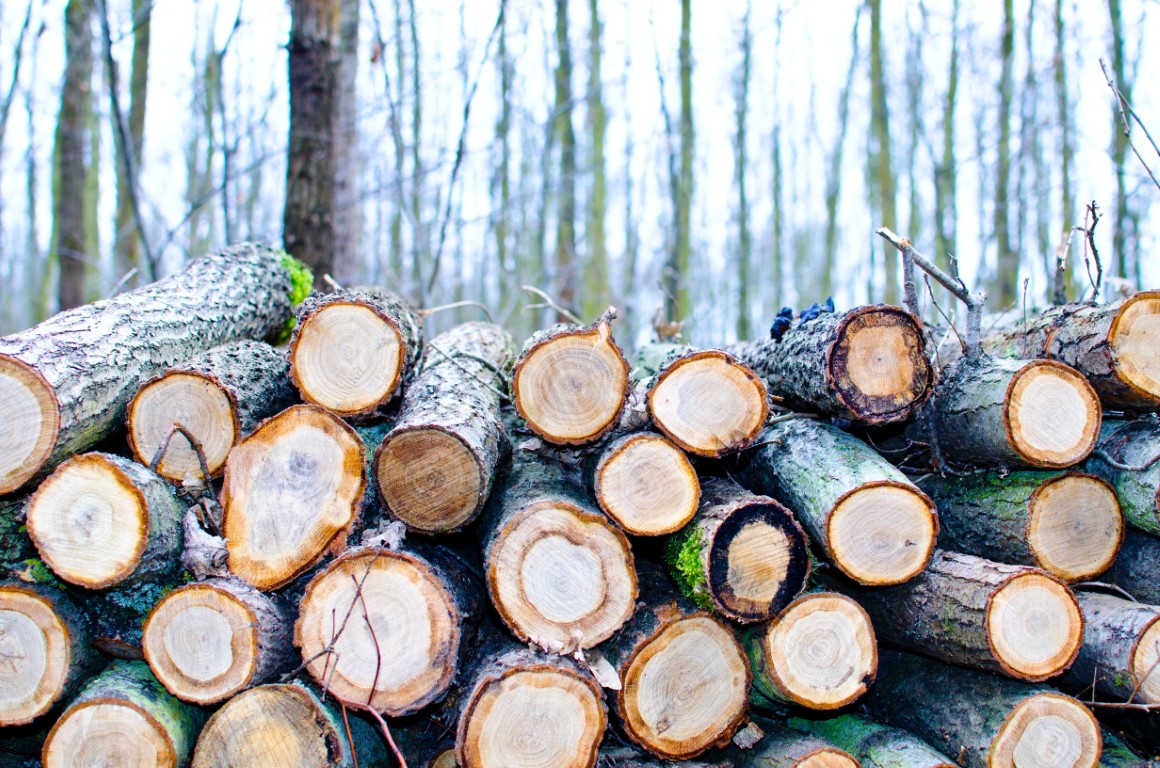
The Romanian Foresters Association (ASFOR) is calling for the current European treatment of sustainable wood biomass under the EU Emissions Trading System (EU ETS) to be maintained, as discussions continue over the future revision of the European carbon market. The association's position specifically concerns biomass that complies with EU sustainability and greenhouse gas emission-saving criteria.
🌳 The debate is highly relevant for the European wood industry, timber processors, sawmills, biomass producers and wood pellet manufacturers, as potential regulatory changes could affect the use of forest and industrial wood residues, biomass energy production, pellet and briquette markets, and competition for wood raw materials.
What ASFOR Is Asking for Regarding Wood Biomass and the EU ETS
ASFOR presented its position as European discussions intensified over the way emissions from biomass combustion should be accounted for under the EU ETS.
Under the current European framework, a zero emission factor does not automatically apply to all biomass. Biomass used under specific conditions may qualify for zero-rating when the applicable sustainability and greenhouse gas emission-saving criteria are met.
ASFOR argues that this mechanism should remain in place for sustainable wood biomass, while compliance controls and sustainability requirements should continue to be enforced.
🪵 For the forestry and wood processing sector, the distinction between wood intended for industrial manufacturing and residues or lower-grade wood assortments suitable for energy production remains particularly important.
The cascading use principle aims to direct wood, whenever technically and economically feasible, first towards higher-value and longer-life products, followed by reuse, recycling and, finally, energy recovery.
Wood Biomass Between Renewable Energy and European Carbon Policy
The issue remains controversial at European level. Some environmental organisations argue that emissions generated directly by burning biomass should be reflected more explicitly in the EU ETS carbon accounting system.
On the other hand, the current EU framework links favourable treatment for biomass to sustainability and greenhouse gas emission-saving criteria.
For companies operating throughout the wood supply chain, changes to these rules could affect wood biomass prices, energy costs, cogeneration investments, wood pellet markets and demand for sawmill residues and waste wood.
The European wood market is already being influenced by changing energy demand. A recent WoodBusinessPortal.com analysis shows that the German waste wood market remains broadly stable, partly because several biomass power plants are currently operating with reduced demand.
Romania: Wood Biomass Also Has an Important Social Role
ASFOR also highlights the importance of firewood and biomass for household heating in Romania.
According to figures cited by the association, approximately 3.5 million Romanian households use wood for heating, with the share significantly higher in rural areas.
For this reason, ASFOR argues that changes in European biomass policy should also take into account the availability and affordability of alternative energy sources for rural communities.
The association also supports financing programmes designed to replace inefficient wood-burning heating systems, including the Romanian "Rabla pentru sobe" programme, as well as the development of the "1 village - 1 MW" concept.
The latter would involve local cogeneration facilities using residual forest biomass and locally available wood resources.
According to estimates presented by ASFOR, thermal energy produced from local wood chips could cost around RON 150/MWh, compared with approximately RON 380/MWh for natural gas.
These figures represent estimates presented by the association and actual costs may vary depending on technology, logistics, wood biomass prices, feedstock availability and plant capacity.
Potential Impact on the European Wood Industry
📊 For wood producers, sawmills and timber traders, the debate extends well beyond the energy sector.
A significant increase or decrease in demand for biomass can change the balance between different uses of wood raw materials and influence the price of timber, sawmill residues, wood chips, pellets and other forest products.
WoodBusinessPortal.com has recently analysed how economic wood availability is becoming increasingly important for the European wood industry, even in countries where forest resources remain physically available.
Standing timber prices, harvesting costs, transport expenses, accessibility and competition between construction, furniture, panels, pulp, packaging and biomass producers can all influence the final price of wood raw materials.
At the same time, markets for wood pellets, wood briquettes and densified wood biomass continue to develop across Europe.
Long-term trends in this sector are also examined in WoodBusinessPortal.com's analysis of the European Union densified wood market through 2035, which covers pellets, briquettes, compressed wood products and biomass demand.
Wood Pellets, Waste Wood and Biomass Markets Could Be Directly Affected
🪵 EU ETS rules can have commercial consequences throughout the wood energy supply chain.
If biomass becomes more expensive to use for energy generation, demand for certain categories of wood chips, waste wood, sawdust, bark, wood pellets and forest residues could weaken.
Conversely, regulatory stability for certified sustainable biomass could support long-term investments in biomass heating, district heating and combined heat and power facilities.
These developments are particularly relevant for sawmills because many wood-processing facilities rely on the sale or internal use of residues such as sawdust, chips and bark.
The commercial value of these by-products can influence overall sawmill profitability and therefore indirectly affect lumber and timber prices.
Cascading Use of Wood Remains a Key Issue
One of the central questions in European biomass policy is how to ensure that valuable wood resources are used efficiently.
The principle of cascading wood use generally prioritises applications that keep carbon stored in products for longer periods and create greater economic value.
This may include:
• construction timber and engineered wood products;
• furniture and wood components;
• wood-based panels;
• packaging and industrial wood products;
• reuse and recycling;
• energy recovery from residues and wood that cannot be economically used for higher-value applications.
For the European forest-based sector, maintaining a balance between industrial demand and energy demand will remain essential, especially as the EU seeks simultaneously to expand the bioeconomy, reduce fossil fuel consumption and increase the use of renewable materials.
What the Wood Industry Should Monitor Next
For companies operating in forestry, timber processing and the wood products sector, future negotiations regarding the EU ETS could become an important factor in investment and purchasing decisions.
🌳 Companies should closely monitor developments related to:
• sustainability criteria for wood biomass;
• EU ETS biomass emission accounting;
• greenhouse gas emission-saving requirements;
• cascading use of wood;
• EU carbon allowance prices;
• biomass cogeneration incentives;
• demand for wood pellets and wood chips;
• prices and availability of wood residues.
For Romania and other European wood-producing countries, one of the main challenges will be maintaining an economically efficient balance between the use of wood in higher-value products - including construction materials, furniture, panels and engineered wood - and energy recovery from residues or lower-grade assortments that cannot be used efficiently elsewhere.
Wood Market Information for Industry Professionals
WoodBusinessPortal.com follows developments across the European and international wood industry, including wood prices, timber production, imports, exports, lumber, logs, wood pellets, biomass, wood products and market trends.
🪵 Are you selling or sourcing wood biomass, wood chips, pellets, briquettes, lumber or other wood products?
Publish your request or offer on www.WoodBusinessPortal.com and connect with wood producers, suppliers, traders and buyers across the international wood market.
📊 Follow WoodBusinessPortal.com for wood market statistics, prices, import and export developments, industry trends, forecasts and commercial opportunities relevant to the global forest products sector.
Sources: